


Spring Cleaning Without Back Pain: A Room-by-Room Checklist
A room-by-room guide to spring cleaning that protects your back, with safe lifting, bending and pacing techniques for every part of the house.
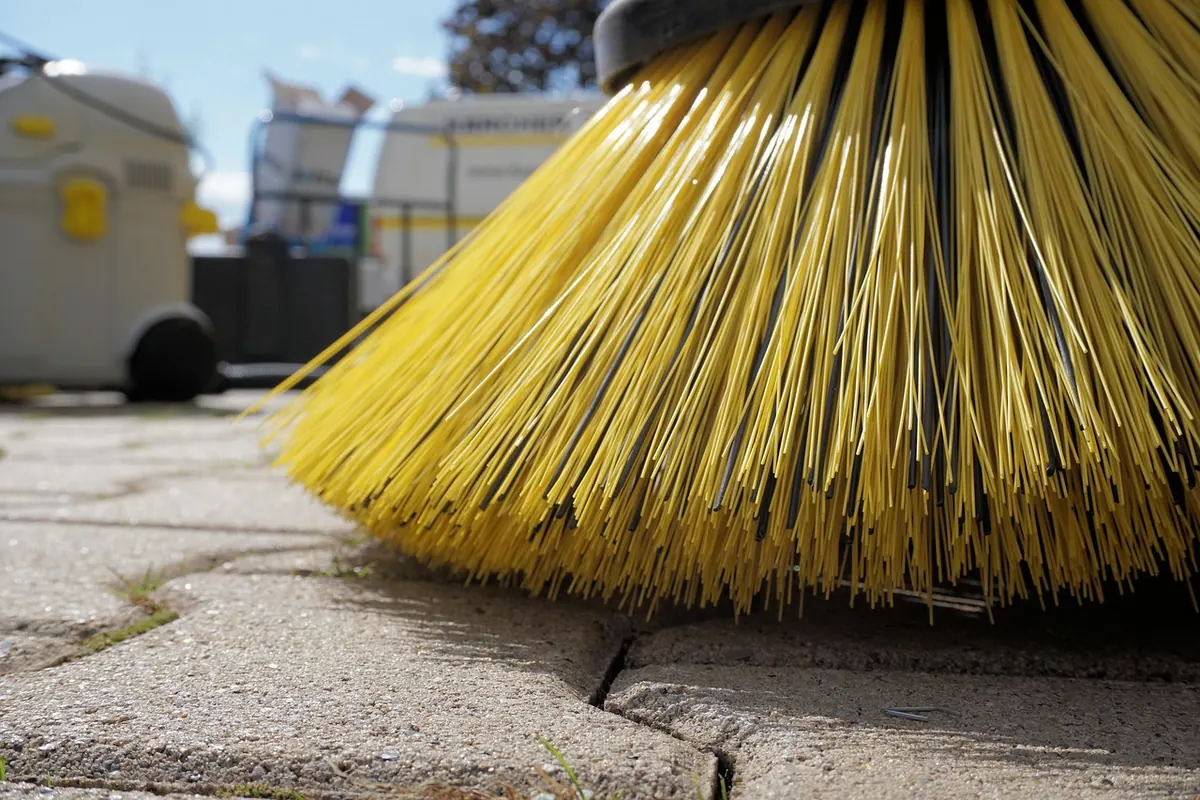
Spring cleaning has a way of growing arms and legs. You start with the cupboard under the sink and, by mid-afternoon, you're on your hands and knees behind the sofa wondering why your lower back has started complaining. The cleaning itself is rarely the problem. It's the hours of bending, twisting and reaching — held in awkward positions and repeated far more often than your spine is used to.
The answer isn't to clean less thoroughly. It's to clean in a way that keeps your back in a comfortable, neutral position and breaks the job into manageable chunks. Here's how to work through the house, room by room, and still stand up straight at teatime.
Before you start: five minutes that change the day
Warm muscles cope better. Before the first bucket, walk around the house for a couple of minutes, roll your shoulders, and take your spine gently through a few slow turns, side bends and hip hinges. Nothing athletic — you're simply telling your body what's coming.
Then set two rules you'll come back to all day.
Hinge at the hips, not the waist. Feet apart, knees soft, bottom pushed back, chest proud as you lower. Rest one hand on the worktop, a chair or your thigh for support. If your back is doing the folding, you're doing it wrong.
Twenty minutes, then move. Set a timer. When it goes off, stand up, walk to another room and change what you're doing. Twenty minutes on your knees followed by twenty minutes standing at a window is far kinder than an hour in either position. Spreading the work over two weekends isn't cheating.
The kit that saves your back
Most cleaning strain comes from reaching for things that could have been brought closer. A few inexpensive additions do most of the work:
- A long-handled duster, mop, squeegee and vacuum attachment set, so ceilings and the far end of the bath don't require a stretch.
- A kneeler pad or a folded thick towel for anything at floor level.
- A small, stable step stool — never a dining chair, and never an upturned bucket.
- Two light baskets instead of one heavy one, so you can carry one in each hand and keep your shoulders level.
- A trolley or wheeled bag for moving supplies between rooms.
- Furniture sliders, so you can slide a unit rather than lift it.
If your back already grumbles when you hoover or stand at the sink, resting one foot on a low stool can ease the load on your lower back. Try it and see whether it helps you.
Hallways and stairs
Stairs are where good intentions go wrong. Don't stand on a step and lean. Sit on a step with your feet on the one below, set your bucket beside you, and work upwards or downwards in stages — moving yourself rather than stretching. If you'd rather stand to vacuum the treads with a small tool, keep one hand on the banister.
Carry loads up in two smaller trips rather than one heroic one. Hold the basket close to your body at waist height and swap sides halfway, so you're not leaning to one side for the whole journey.
Living room and bedroom
Dusting above shoulder height is fine for a minute or two, but keep it short and move the step stool instead of overreaching. For floor-level jobs — under the sofa, behind the bed, the skirting — kneel on a pad or sit on a low stool and work in small sections, turning your whole body to face what you're cleaning rather than twisting towards it.
Anything heavy is a two-person job: turning a mattress, shifting a chest of drawers, lifting a sofa to hoover underneath. If no one is around, clean around it this time. No piece of furniture is worth a strained back.
Laundry is often the hidden culprit. Sort and fold standing at a table at hip height, or sit down if the pile is big, and take washing to the machine in smaller loads. A basket carried on one hip for thirty metres loads one side of your spine; the same weight split between two hands doesn't.
Kitchen
In the kitchen, the danger zones are the bottom shelf and the back of the fridge. Kneel rather than bend, take one shelf at a time, and lift items onto the worktop before you start wiping, so you're not leaning in and reaching at the same time. When you clean the oven, kneel on a pad with your knees and hips comfortable — or use a self-cleaning setting and step away.
Standing at the sink or hob for a long stretch is its own kind of strain. Keep one foot up on a low stool, alternate feet every few minutes, and take a break before your back aches rather than after. When mopping, hold the handle with both hands and step in the direction of the mop — let your legs do the travelling, not your spine.
Bathroom, windows and high corners
The bathroom is small, which tempts you into twisting. Kneel beside the bath rather than leaning over the rim to reach the far end, use a long-handled brush on the tub and tiles, and sit on a stool in the shower if the space allows. Keep sprays at waist height and avoid a wet, twisted reach across the bath with a cloth in one hand; that mix of rotation and grip is a common way to set off a sudden catch in the back.
At the windows, keep both feet on the floor and use a squeegee on an extension pole. Never lean out to reach a corner. Clean the top of the frame from the step stool, then step down and move the stool along rather than stretching sideways. Skirting boards and low walls are best done kneeling or sitting on the floor, shuffling along on the pad — your knees will tell you when to move.
Finish before your back does
Stop while you still feel comfortable. A day of cleaning will leave most people with tired, achy muscles, and that's normal. Sharp pain, pain that shoots into a leg, numbness, tingling or weakness is not — that's a signal to rest and to speak to a GP or physiotherapist rather than push on. If you have an existing back condition, or you're simply unsure what's safe for you, get individual advice before tackling a big clean. A checklist can't account for your history; a professional can.
Leave one room for next weekend. Put the bucket away, have a warm bath, and keep moving gently through the evening rather than sinking into a chair for hours. The house will still be clean tomorrow — and you'll be able to enjoy it.
Photo: webandi / Pixabay